Do we listen to our heart or our mind? Do we listen to ourselves, our peers, our parents, or our mentors? Not only do we have to contend with multiple outside opinions – we have a multitude of subconscious biases and influences running uncontrolled in the background of our brain.
Sunk cost fallacy
Sunk cost fallacy is when you make a poor decision in the present, influenced by the weight of your previous effort and investment.
Suppose you buy a pair of $250 pair of shoes. You have been saving for a long time for these shoes. They are finally on sale so there are no refunds. And once you wear them, you cannot resell them. After a week of wearing the shoes, you find they are uncomfortable and just do not fit you right. They squeeze your toes and blister your heels, no matter what you do.
You give them a chance and you wear them a few more days. People give you compliments and say they look good. But they become more unbearable. Your feet are sore, tender, and bruised.
So what do you do?
Option A: Do you throw them away (or donate them) and admit the $250 loss?
Option B: Do you feel the need to keep wearing them because you spent $250, and you do not want your money to go to “waste”?
Option A vs Option B
Clearly, Option A is the right decision. What has been done in the past is done. There is no going back in time. The most optimal approach is to evaluate the choices in front of you, as objectively as you can, and choose the best option in that moment.
In the example with the ill-fitting shoes – they make you miserable, and why would you inflict misery on yourself?
But our subconscious mind wants to cling to the past. It does not want to let go. It does not want to accept “defeat”. It pulls us towards Option B. It says – you spent your hard-earned money and time on this, and we cannot let that go to waste, right?
So what do you do?
Choosing between different jobs
At the beginning of this year, I was at a similar crossroads. On one hand, I had invested four years to go down a path that, in the end, I felt was not right for me. On the other hand, I had invested four years to go down a path that was not right for me.
So what do you do? Do you accept all the options before you, evaluate them as objectively as you can, and make the decision that is better for the current version of you? Or do you succumb to peer pressure, parental pressure, and your subconscious bias pulling you towards a job to justify your past four years?
I sat on the decision, in a state of limbo for a few months.
In the end, I chose to pursue Option A.
Question for you
When have you felt sunk cost bias, and did you choose Option A or Option B?
Your outcomes are a lagging measure of your habits. Your net worth is a lagging measure of your financial habits. Your weight is a lagging measure of your eating habits. Your knowledge is a lagging measure of your learning habits. Your energy is a lagging measure of your sleep habits. Your fitness is a lagging measure of your exercise habits. You get what you repeat. – James Clear
There’s an old Hindu saying that comes into my mind occasionally: “For the first 30 years of your life, you make your habits. For the last 30 years of your life, your habits make you.” – Steve Jobs, 1985.
. . .
Everyday, we face thousands of small decisions.
What time do we wake up? What do we do when we wake up? What are our thoughts in the morning? What do we think of ourselves? What do we think of others? How do we feel? What clothes do we wear today? When do we first eat? What do we eat? Who do we talk to? How do we talk to them? What do we talk about? And there are another thousand tiny decisions to make throughout the day.
But we don’t have the brain power to make these choices independently each day. So we rely on your habits. We fall back to what we’ve done in the past. We are habitual creatures.
Compounding habits
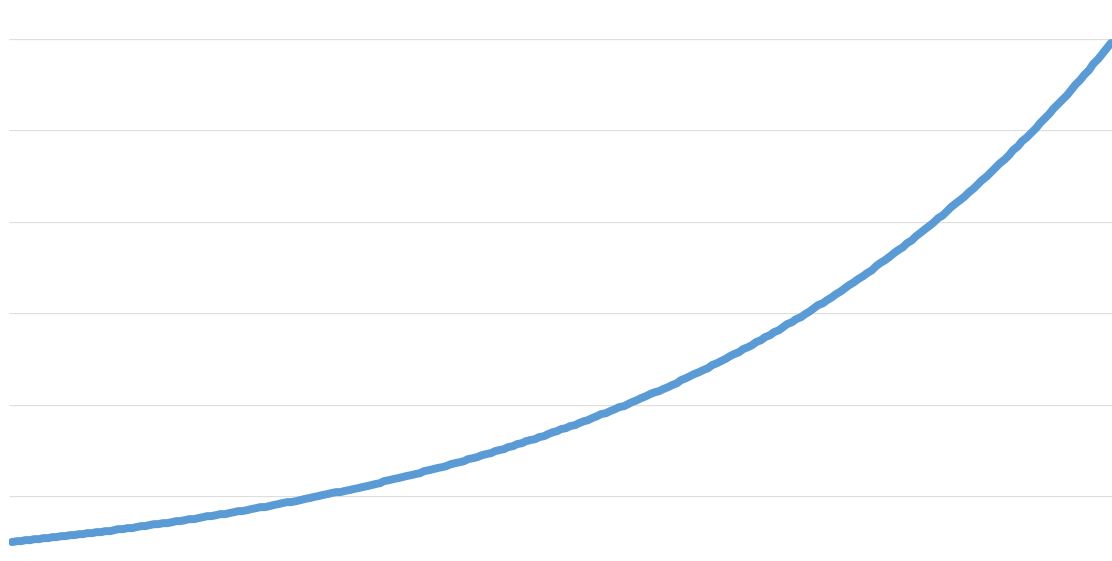
Habits compound. You might not see the effects of something small each day. But after thousands and thousands of repetitions, the effects are huge.
Our repetition of habits build on top of each other, day by day.
The power of compounding.
I think there are two broad phases with our habits.
The first phase is slow progress. Putting in that initial time and effort into creating good habits. By taking the time to carve that path into the mountain, we can better control the flow of water in the future.
The second phase is more automatic. Once habits are ingrained, it becomes easier to follow established habits. Unconsciously, results begin to compound. Water always follows the easiest path down any mountain.
In health
I practice intermittent fasting (usually, I eat between 12pm – 7pm). There are many health benefits. But even without this new mainstream evidence, I have always gravitated towards not eating in the morning. Generally, I do not have an appetite in the morning, and my mind and body is always feel sharper when I do not eat.
I go to the gym four or so times a week. This is a new habit that I have started this year. This has become one of my favourite things to do, and has made the big impact on how much better I feel mentally.
In wealth
I save and invest as much as I can, and avoid spending money on unnecessary things as much as I can. Rather than fall to impulses, I ask myself “Do I really need this? Will this bring my lasting happiness?”. Over time, it becomes more natural to realise that most shiny new things will not make you truly happy, and you can be more selective about the things that will.
In relationships
Being in a long term relationship, I try my best to promote good habits and patterns. In the early stages, both sides have to be vulnerable and have set some boundaries on hard questions such as – how are we going to deal with conflict? How are we going to communicate? What is important to you in a relationship?
After there is a strong foundation, the journey becomes smoother. There is the foundation for more intimacy and growth together.
Not a bragging contest
Habits are not a bragging contest. Your habits should be sustainable and enjoyable. Personalised to you. There is no point in forcing yourself to do something you know you cannot sustain, or something you do not enjoy. You should feel better after doing them, not worse.
Question for you
What are some healthy habits that you feel help you? What are some unhealthy habits that you want to improve?
What is the single most important question in life?
Life is complicated, but it seems the most profound and deepest truths are also the most simple. Strip away all the excess, and we are left with the most essential essence.
I have been thinking through this question. The more I try to strip away all the excess, the more it feels like the closest answer to the truth is:
“Are you comfortable with yourself?”
. . .
We are social animals living in a dynamic world, surrounded by other animate and inanimate things.
But in this thought experiment – when we strip away the excess, what remains is that we all live alone. We all experience life alone.
From the moment of birth, to the moment of death. Everything you experience is experienced only by you.
What we think, what we feel, how we feel, what we experience. Everything is felt only by you.
. . .
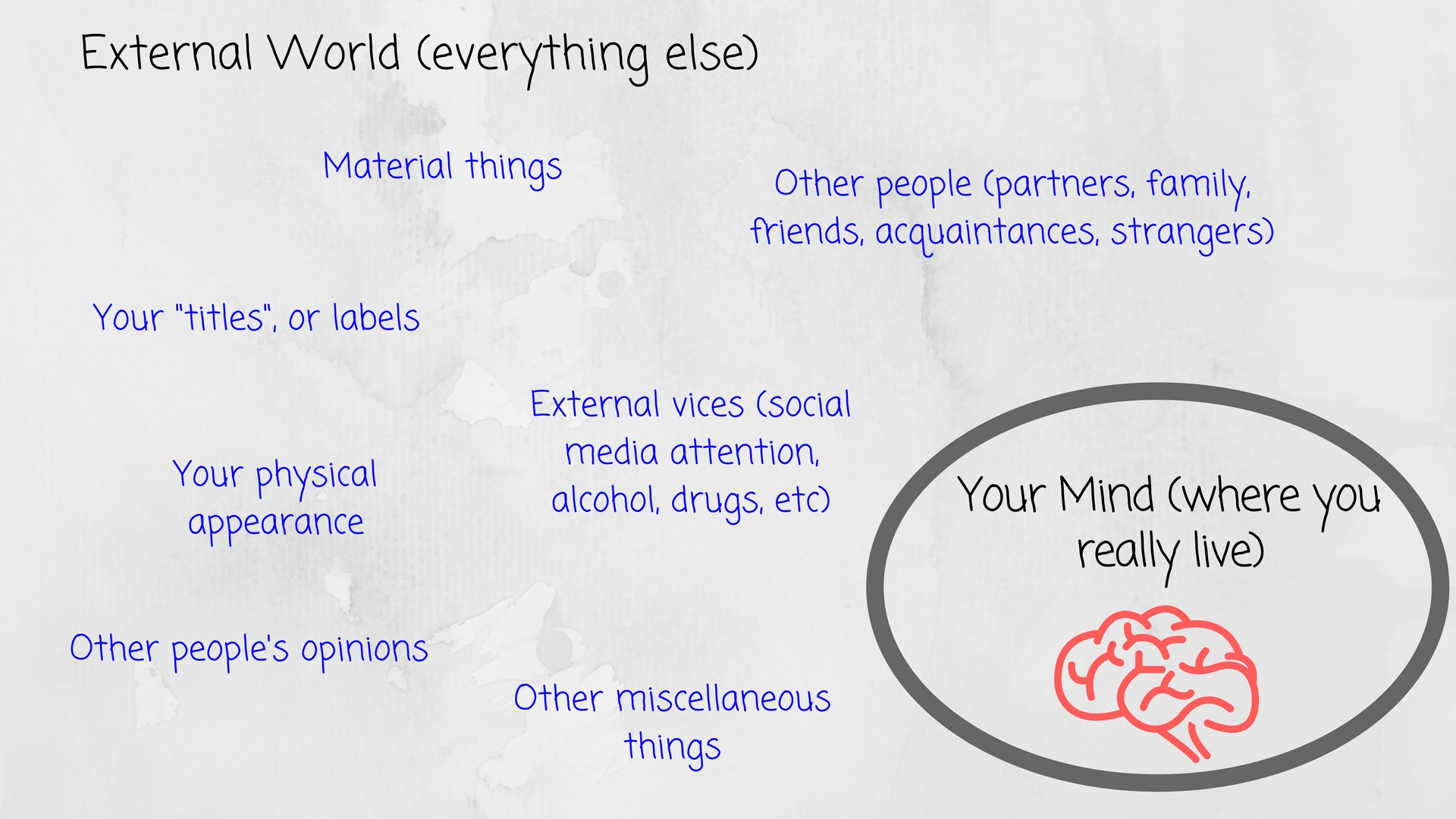
There are two parts of the world.
1) Your mind. This is where we live the entirety of your life.
2) The external world. This is everything else.
. . .
You live within the bubble of our own mind.
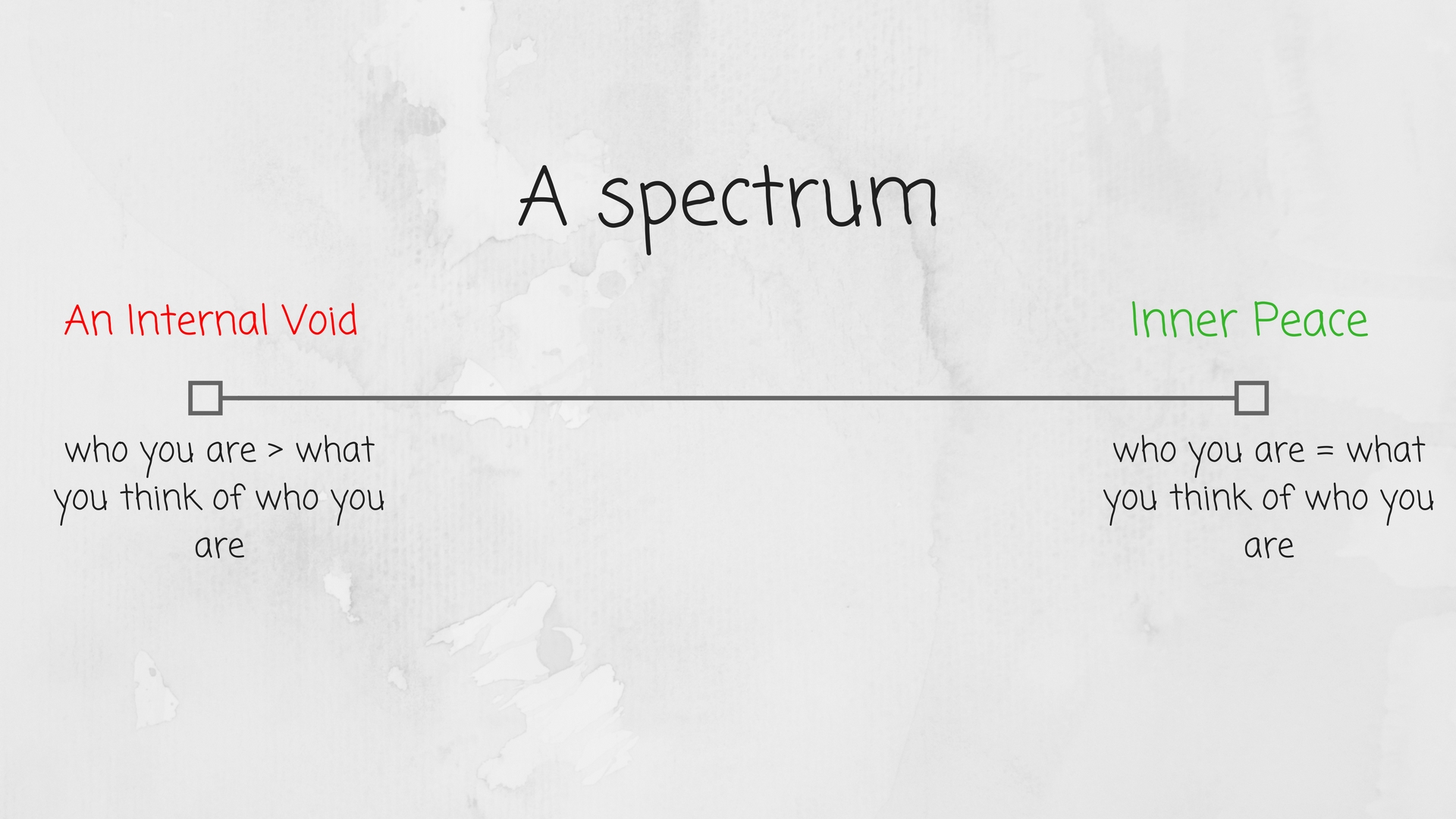
After stripping away all the excess, we are left to think about two of the most distilled thoughts – who am I, and what do you think of who I am?
There is a spectrum with two outcomes.
. . .
So are you truly comfortable with yourself?
If no, then nothing external matters.
Nothing from the external world will fill that void. You can find peace only from within.
If yes, then nothing else matters.
Truly nothing else matters.
. . .
“All of humanity’s problems stem from man’s inability to sit quietly in a room alone.”
– Blaise Pascal, 1654.
. . .
“Life is a single player game. You’re born alone. You’re going to die alone. All of your interpretations are alone. All your memories are alone. You’re gone in three generations and no one cares. Before you showed up nobody cared. It’s all single player.”
I just finished my toughest placement block yet. Here are 10 things I learnt:
1) The hospital system game.
The hospital system ladder is the same as the corporate ladder.
There are concrete rules to follow. The hours are set, the structure is set, the protocols are set, the tasks are set. There is little room for experimentation, autonomy, creativity. And as reward for following the rules – a steady salary that increases slightly every year.
If you want to play this game, it is up to you to adapt to fit in.
2) Record your thoughts.
On the train home everyday, I would take time to write down my thoughts from the day. Recording your thoughts is essential for self reflection. Thoughts are fleeting. Without documenting your thoughts, they will evaporate in a second. By documenting them, they become tangible. That way, I can reflect on them and see progress from the passing weeks.
3) Proactivity to level up.
If I did not prepare my study notes back in January, I would have failed this placement.
Everything is a bound by cause and effect. I knew I would not have time to prepare my notes during the semester. So I did it in January. And 6 months later, I was able to draw on that preparation.
In the present, I draw on the work from “past me”. And in the present, I am putting in the work for “future me” to draw on.
Always being proactive is the key to leveling up.
4) Discomfort for growth.
This placement was brutal and tough, because my supervisors had such high expectations. Constantly, I felt near the border of uncomfortable stress and destructive stress. That is where the most rapid growth of skills and confidence are made.
There were a few moments where I felt I had crossed the line into destructive stress, and I needed to find ways to cope.
5) Know when to say “no”.
Know that you can press the eject button at any time. To say “no, I really appreciate the opportunity but I will pass right now” or “no, I have changed my mind and I am not willing to continue with this”.
Be self-aware and responsible for your mental wellbeing. When overwhelmed, take action before you fall into a downward spiral (depression and anxiety) or upward spiral (rage and anger).
6) How to deal with tough supervisors.
You can fight it, or you can go with the flow.
I remember crystal clear moments when I was at crossroads in my mind. Do I fight back, do I stand up and argue my point, do I protect my own pride? Or do I go with the flow, do I silence my pride, do I nod and accept their instructions?
You have to look at the situation in its entirety. They are the authority here. They determine whether I pass or fail. I am only here for 5 weeks. My overall goal is to complete the placement.
So it is foolish to foster bad will, as it jeopardises your overall goal.
Just silence your ego.
7) Taking your health for granted.
Every small bad decision snowballs.
I talked to man who started smoking, because his work friends smoked. 25 years later, he has irreversible heart and lung issues.
You had control of your health. Then one day, you lose the control. Your problems were reversible. Then one day, your problems are irreversible. There is a tipping point. And every small bad decision moves you closer.
The best approach is to be proactive. Do not put yourself on that path.
8) Life is finite.
The idea that one day you will face death. I think this is so scary and uncomfortable to most people – that they want to live in denial, running away from it, avoiding it at costs.
But that day will come. Everything becomes nothing.
I think with growing more comfortable with finiteness of life, you can make better decisions on how you want to live your time.
9) Adapting to different people.
Naval Ravikant says:
We think of ourselves as fixed and the world as malleable, but it’s really we who are malleable and the world is largely fixed.
The best approach is to adapt to different people and different situations. You cannot hope and wish that other people will change to meet your desires.
When dealing with workplace relations – the most practical way to navigate forward is to adapt yourself to different people. If person A prefers straightforward conversation, then do so. If person B prefers small talk first, then do so.
10) Nurses are angels.
If you have seen the work that nurses do, then you already know.
They work in the most chaotic environments, long shifts around the clock, and know the patients better than most doctors do. They help patients shower, toilet, clean, dress, eat, drink, take medications. They give 100% of themselves to people who can never repay them.
Two weeks into the semester – I was trapped in a fog. Dark. Disorientating. Seemingly inescapable.
I was anxious. Anxious about the last year of the degree – the pressures of seemingly countless assessments. Anxious about upcoming placements – the unknown, the judgement, the expectations from tough supervisors. Anxious about my Honours thesis – the enormous task waiting for me.
Overwhelmed. A despairing fog clouded my vision. When your vision is clouded, you cannot see the light at the end of the tunnel.
I dreaded facing the next day. I dreaded facing the next week.
Then a reality check halted me. A spanner thrown into the unrelenting gears of my mind.
That Sunday night, my girlfriend Denise sent me a long message. She told me to reflect, and to change my perspective.
So I did.
I thought. I reflected. I journaled.
Waking up on the next Monday, the dark cloud had lifted off my mind.
. . .
Take a look around you. There is no single objective reality.
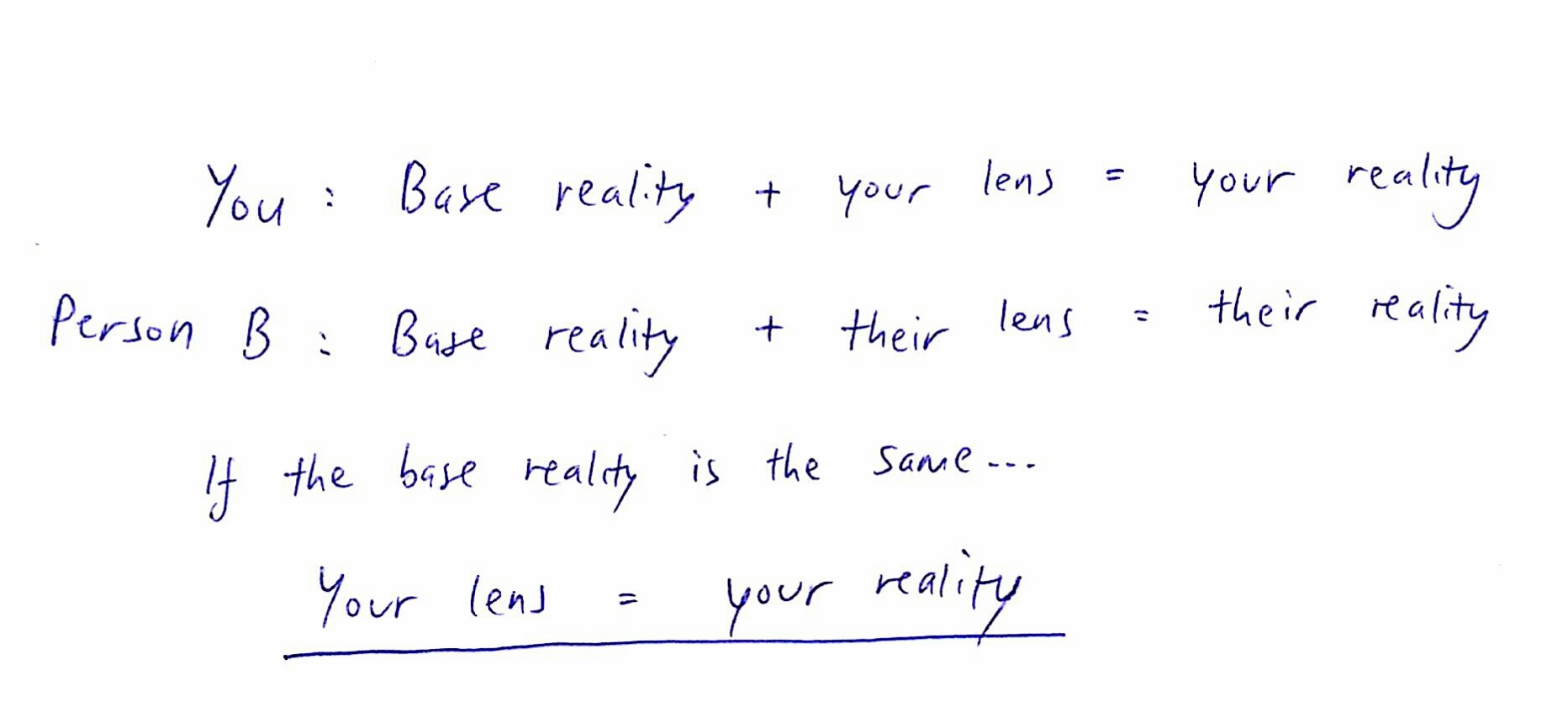
Everyone looks at reality through their own lens.
Think of a camera. Each camera lens distorts and produces a different shot. A different reality. General purpose lens. Wide angle lens. Fish eye lens. Superzoom lens. Different apertures. Different shutter speeds. Different lighting. Different post-production.
Your lenses are your thought patterns, your desires, your fears, your aspirations, your worries, your attitude.
Everyone sees a different reality through their own lens.
Base reality doesn’t determine reality.
Each lens determines the reality we experience.
Everyone experiences a different reality.
What you think of reality is reality.
. . .
The dark fog of negativity is contagious. It carries weight and inertia.
From that two week period – I know how easy it is to get lost in the fog.
How easy it is forget that it is just a lens issue, not a reality issue.
How easy it is to assume your lens is fixed and unchangeable.
But it can be changed. When you change your lens, the reality you experience is changed.
Sometimes you just need a reminder. A prompt to check your lens. A prompt to change your lens.
Sometimes, you just need to the right prompt to click with you. These are a few prompts that have clicked for me:
1) The genius of William Shakespeare.
Shakespeare wrote:
“There is nothing either good or bad, but thinking makes it so.” – Hamlet, William Shakespeare.
Resistance comes only from your own mind. Resistance comes only from your own lens.
There is no resistance in reality. There is no fears, anxieties, worries in reality.
Aside from physical suffering, all suffering is self imposed. There is no inherent good or bad in reality. There is no difficult or easy in reality. There is no feeling or emotion in reality.
All interpretations are yours alone. Any resistance is only self imposed.
2) The wisdom of Mark Twain.
Mark Twain said:
“I’ve had a lot of worries in my life, most of which never happened.” – Mark Twain.
How true.
Most of our experiences (our fears, our anxieties, our aspirations, our fantasies, our interpretations) are nothing but ephemeral thoughts.
It shows that our reality is not the base reality. The reality we live is in our own minds, more than the outside world.
3) A tiger named Mohini.
Tara Brach, a teach in Buddhist thinking and meditation, tells this story:
This is a story about a tiger named Mohini that was in captivity in a zoo, who was rescued from an animal sanctuary. Mohini had been confined to a 10-by-10-foot cage with a concrete floor for 5 or 10 years. They finally released her into this big pasture: With excitement and anticipation, they released Mohini into her new and expensive environment, but it was too late. The tiger immediately sought refuge in a corner of the compound , where she lived for the remainder of her life. She paced and paced in that corner until an area of 10-by-10-feet was worn bare of grass… Perhaps the biggest tragedy in our loves is that freedom is possible, yet we can pass our years trapped in the same old patterns.
Where in your life are you trapped in a cage created by your own mind, and not by reality?
4) The life principles of Tim Ferriss.
That Sunday night I was tossing and turning, both my mind and my body.
Then something clicked. A line I read a long time ago.
A life mantra from Tim Ferriss:
“What would this look like if it were easy?” – Tim Ferriss.
He expands:
“These days, more than any other question, I’m asking ‘What would this look like if it were easy?’ If I feel stressed, stretched thin, or overwhelmed, it’s usually because I’m overcomplicating something or failing to take the simple/easy path because I feel I should be trying “harder.”
It is the perfect prompt. A reminder that that there are many potential lenses to experience reality with. A reminder to visualise an easier reality.
It is a prompt to approach whatever is in front of you with ease. Not easy defined as not cognitively challenging. But easy defined as no resistance. No resistance, no conflict, no fears, no anxieties, no worries.
5) Flow like water.
Absorb the words from Bruce Lee:
When I think of easy, I think of the flow of water.
Water flowing down a river. Water flows around the rocks in its path. Water flows to the bend of the river.
Today, I edited my journaled thoughts into this blog post.
. . .
10 principles I aspire to live by:
1) Creativity.
To develop and express creativity regularly. Exercise my mind. Exercise my imagination. In a world of endless consuming of information, self expression is more important than ever.
Starting this blog is one of the best decisions I have made. The creative muscle in my brain has been unlocked. Even on this small personal project, the gratification from self-expression (via writing) is incredible.
2) Financial stability.
To create a system for financial freedom. To be free from the financial obligations that most people try to avoid thinking about.
Money doesn’t guarantee happiness. But a lack of money almost always brings stress, and therefore unhappiness.
3) Low maintenance.
To be low maintenance. To be minimalistic with my ‘wants’.
To not feel the urge to chase short-lived material experiences. (Especially the new thing that will only be trending this week, and forgotten in a month.)
To not falsely associate spending money with happiness.
4) Supportive and fulfilling relationships.
Being in a team of mutual support will take you further than where you could go alone.
To be in a relationship where you each fulfil the other’s needs. To have someone you can have intimate candid conversations with.
5) Me time.
To prioritise and maximise “me” time.
Whenever I spend time alone, I feel more at peace. With long periods of uninterrupted time, I can reflect with more clarity and depth.
To be grounded from moment-to-moment. My energy is mine. To not let external things (people or events) pull me in directions I don’t want to go.
To maintain a perspective of life, and how infinitesimal and inconsequential things are. To always take a step back, and to not get caught up in how trivial most problems really are.
7) “Don’t drift.”
To always be present and self-aware. To choose my own choices. To make my own decisions. To create my own path.
Never be lead down a life of someone else’s choices.
To not hurry – to maintain a calm long-term view of life. To know that rushing is not the answer. Rushing is unnecessary stress. Rushing is unsustainable.
To not pause – to know you can accomplish whatever you want in life, just by continually placing one foot in front of other. Consistency is the answer.
9) Courage.
When a big decision needs to be made, or a problem needs to be confronted – the biggest obstacle is the mental self-talk and self-doubt, not the problem itself.
Thinking about jumping into the cold water causes more suffering, than the coldness of the water itself.
When I begin to hear the self-talk – to have the courage to take the action.
10) Honesty.
To be honest with myself, and to be honest with others.
This principle is inspired by Kara Swisher (from her interview with Tim Ferriss), and her stories of Steve Jobs. Both people are (and were) pure unfiltered versions of themselves.
Honesty is something I need to continually develop. I tend to shy away from it, for fear of uncertainty and confrontation.
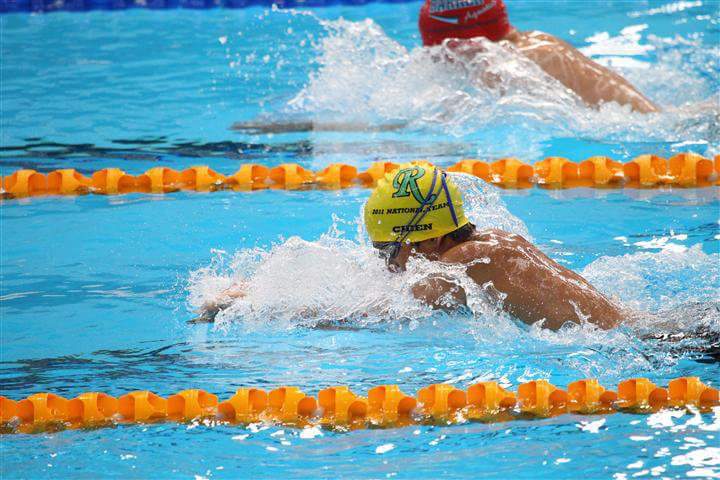
Here are 10 things I learnt from swimming over the years:
1) Preparation is the game.
You learn quickly that you cannot “fake” aerobic fitness. You cannot “fake” muscle strength. You have to put in the repetitions, before you get rewarded with results. In other arenas of life, you can take shortcuts. You can cheat on a school test or you can put a filter on an Instagram picture. But with the human body, you can’t. That is humbling.
2) Swimming is meditation.
You are floating through a clear transparent cool medium. Alone with only your own mind. Almost in silence. Sometimes, you are thinking. Other times, you zone out and leave your body on auto-pilot. It feels cleansing. It feels therapeutic. Physically and mentally.
3) That satisfactory high.
That good feeling you feel after a hard main set. It almost feels like a hypnotic state. That feeling is your endorphins. Your body’s natural chemicals released to create a sense of euphoria and pleasure. Like many other emotions it is hard to put into words, but when you feel it you know.
4) It keeps you out of trouble.
Swimming training is an uncompromising commitment and a rigid schedule. There is not much room to stray from the straight path. And that is a good thing. My hunch is that in your teenage years, its more important to stay away from negative influences than to necessarily be around positive influences.
5) The practice of dealing with disappointment.
I am still learning how to deal with disappointment. But I am a lot better than when I first started. Sport creates a micro-environment where you get to experience small doses of ecstasy, satisfaction, disappointment, suffering in quick cycles. And you get to practice coping with each.
6) Shared suffering creates strong bonds.
Psychology studies say that “One of the surest ways to build strong bonds between human beings is through shared suffering”. It seems counter-intuitive but I have experienced it first hand. All through history, shared suffering has played a deep role in bonding groups.
7) Vulnerability creates even stronger bonds.
I think we spend so much of our day with our “mask” on, projecting an image of ourselves we want others to see. I feel that stripping away all those layers is cathartic. Physically and psychologically. When you have nothing to hide is when you build camaraderie within a group.
Cathartic: providing psychological relief through open expression, leading to renewal and restoration.
8) Learning to grapple reality.
Every young swimmer’s dream is to become an Olympian. Early on, that dream is available to everyone. That changes with time. You have to learn to contend with that shift in direction and desire. Learning to grapple reality and change directions is a necessary life skill.
9) Having a secret identity.
Identity is the universal struggle of everyone growing up. Before we evolved to think independently, I feel our identity was largely defined by what school we belonged to. Being a part of the swimming club and community added a new dimension to my identity. It felt like a second alternate world. And at many stages of my life, I identified with that more than regular school.
10) The ultimate equaliser.
When every competitor is standing on the starting blocks, everyone is effectively equal. All differences – in race, ethnicity, religion and color – are muted. Every advantage or disadvantage you might have in life is stripped away. The only deciding factor is performance. It is as close to an even playing field in life as you will find.
Here are 10 things I learnt on my latest physiotherapy placement:
1) Confidence is a skill.
Just like learning any new skill – the more you practice, the better you get. Confidence is like any other skill. Those who practice confidence the most are the most confident.
2) Fake it til you make it.
The first few weeks I struggled communicating with patients. I was too passive. I doubted myself. I was a few steps behind. I was surprised to find that the first step to turning this around was simply talking loudly and clearly. Sometimes, your actions come first before the inner belief follows.
3) The public health system is flawed.
From an outsider’s perspective, I saw some of the flaws. At times, it can seem the public health system’s motives are not necessarily effectiveness or efficiency, but of minimising legal liability. Given this is funded with taxpayers’ money, it makes you ask – are there better ways we can do x?
4) Most adults are technology illiterate.
For adults who operate technology and computers for a living, I saw many staff struggle with basic concepts, such as browser windows and tabs. Things the average primary school child is proficient at. I think this speaks to the exponential rate that technology is continuing to move forward.
5) Rising house prices created a new group of people.
These are the “asset rich, cash poor” people of Sydney. On home visits, I saw many elderly patients who are living in multi-million dollar properties that they bought decades ago. But from seeing the inside of homes and how they lived, they had little liquid assets on hand. My intuition asks – “would it make sense to liquidate your hard assets and live more comfortably for the rest of your life?”
6) Working in the city is expensive.
Time stuck in traffic, transport costs, parking costs, expensive takeaway lunches, morning coffees all add up quickly. I imagine most people would be shocked if they did the financial and time calculations on all these activities.
7) Experiences, not material possessions, is all you have.
I listened to patients in their 50’s who have only have a year to live. I heard them reminisce about that time they spent 3 years travelling with their partner, not about the shoes or clothes they own.
8) Australia is aging.
My supervisor told me “15 years ago, 60% of the patients I saw were under 40 years old. Now, 80% of the patients I see are over 75 years old. It’s only trending higher. By 2025, it will be past the tipping point.” The data reflects this too. It is more expensive to have children than ever before, and people are living longer than ever before.
9) People take health for granted.
People tend to think they are invincible… until they are not. They never think they will be the type of person who needs 10 pills a day for their 5 chronic diseases… until they are. A little prevention goes a long way, but we are wired to take the easiest path.
10) A steady salary is the best thing, or the worst thing?
Nassim Taleb said “The three most harmful addictions are heroin, carbohydrates and a monthly salary”. If you don’t manage your finances well and you live paycheck to paycheck, you can develop a dependency. I saw glimpses of that. I think this was a lesson in being proactive with your personal finances. But I really wouldn’t know, I’m not in their shoes.
I’ve been sent to Ballina for 5 weeks. 400km from home.
For most university degrees, you have to complete some sort of placement or work experience. For physiotherapy, our main placement blocks are 4 x 5 week blocks in 3rd and 4th year. For this first placement block, I have been assigned to travel to Ballina. A small country town 400km from Sydney.
So here is an update of my first week.
The Good
The Beautiful Landscape
Ballina is the flattest place I have been to. No skyscrapers or tall apartments. No hills or slopes. Unexpectedly, this produces some of the most remarkable sunrises and sunsets I have ever seen. It is amazing that the sun hits all the clouds in the sky, even the clouds behind you.
Sunrise.
Sunset.
The Accommodation
The place we live is very modern and nice. It is newly built accommodation for students. There are 4 units. In each unit, there are 5 rooms. Each room has its own double bed, ensuite, shower, and even temperature control! (I love the heat, so it feels like summer in my room!) There is also a shared washer, dryer, kitchen, appliances, and WiFi. What more else could you ask for?
My room.
The Free Time
Both placement sites are less than 3 minutes walk away. So we have an abundance of free time. Personally, I have brought some books and have been reading a lot. It’s been great to unwind and to focus on developing yourself – it’s feels almost like a retreat.
The Undecided
The Placement
We are splitting our time between an aged care facility, and a special needs school. They aren’t the traditional physiotherapy placement sites, like hospitals or clinics. We are part of a pilot program, as we are among the first groups of students on placement here. So everything is still in the trial-and-error phase.
The Less Good
The Lack of Entertainment
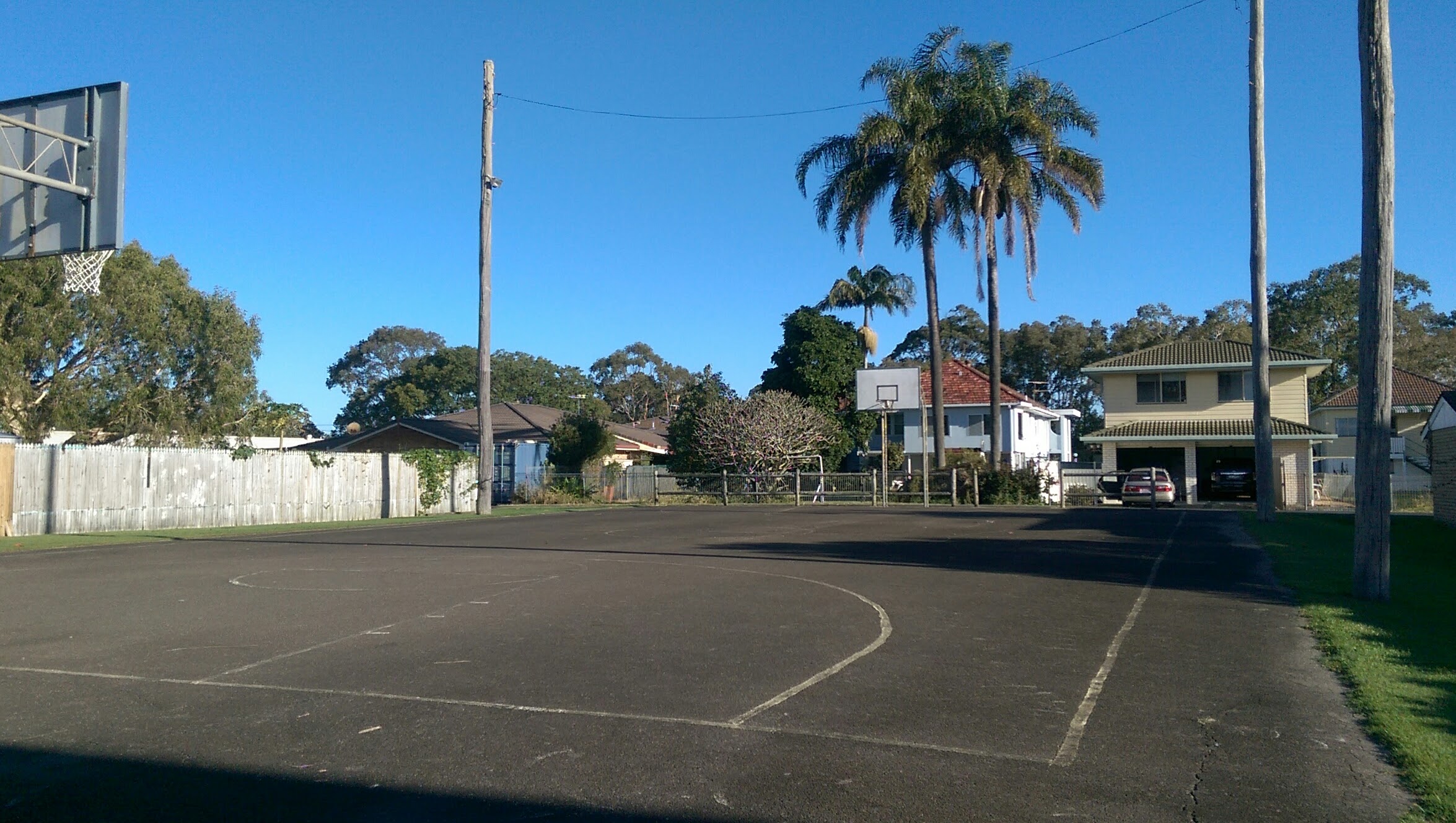
Aside from a small shopping centre, some shops, a small cinema – there are not many options for outside activities. We are in walking distance of the coastline in two directions. We went searching for a basketball court yesterday, but the gates to the local high school were closed after hours. Edit: We found a basketball court! It is in a very unusual location – surrounded by residential houses, just by itself in the middle of a tiny laneway.
The basketball court.
The Slow Pace
Something that has stood out is the slow pace of this country town. Most people living here are elderly retirees. Coming from the city, everyone and everything here seems to move in slow motion. Of course this is only my initial impression, but it’s hard not to feel a subtle lack of energy around here.
The Expenses
And if anyone is curious on the costs of going to rural placement. So far, I have spent:
$160 (return flight) $250 (subsided accommodation for the 5 weeks) $100~ (groceries/other miscellaneous stuff so far)
This is a personal framework for managing my emotions that I have found useful. In recent years, I have found myself naturally developing this mental model. It is only recently that I have discovered a Greek/Roman philosophy called Stoicism, which is very much alike.
The framework is about separating the stimulus and the response. The stimulus is an outside event. The response is your emotional reaction.
The stimulus might be:
1. “I got cut off my someone this morning”
2. “Someone else got the job I wanted”
3. “I didn’t score a a higher mark in that test”
The response might be:
1. “I got cut off my someone this morning”→ ANGER = “How dare they!”
2. “Someone else got the job I wanted” → JEALOUSY = “But I think I deserve it more!”
3. “I didn’t score a a higher mark in that test” → FRUSTRATION = “This isn’t fair!”
That is your reflexive conditioned response. How so? Because you have watched other people respond that way. And you have subconsciously picked that up as an appropriate way to respond.
So is that the only possible response? Not at all.
To break it down – you cannot control the stimulus, but you can control the response.
You are free to choose your response. No one can choose your response, but you. That is the key.
As Ryan Holiday says, “We don’t get to choose what happens to us. But we can always choose how we feel about it. And why would you choose to feel anything but good.”
This could be your controlled positive response.
1. “I got cut off my someone this morning”
→ “It’s no big deal. He just probably wasn’t paying attention and didn’t see me. I do that all the time too.”
2. “Someone else got the job I wanted”
→ “It’s no big deal. This is a learning opportunity, and I can work on being a stronger candidate next time.”
3. “I didn’t score a a higher mark in that test”
→ “It’s no big deal. I will learn from my mistakes, and be even more prepared next time.”
That is the secret. We always have the freedom to choose a positive response, no matter the circumstances.













 Max Chien